
Sometimes the lie doesn’t sound like denial.
It sounds like responsibility.
I’m still doing my job.
My family depends on me.
Nothing has actually fallen apart.
On the surface, everything looks intact. Work deadlines are met. Bills are paid. People still trust you. From the outside, life might even look successful.
But underneath that structure, something feels different.
I remember telling myself that same story for years before I finally reached out for support through multi-day weekly treatment. I thought asking for help meant my life had to completely collapse first.
It didn’t.
For a lot of high-functioning people, the struggle isn’t visible. It’s hidden behind competence, routine, and the quiet pressure to keep everything running.
The Lie Sounds Responsible at First
Most high-functioning people don’t start with obvious chaos.
Instead, the internal story usually begins with something logical.
If this were really a problem, I wouldn’t still be functioning.
And on the surface, that logic feels convincing.
You’re still showing up for work.
Your relationships still exist.
Your responsibilities are still handled.
So the mind fills in the rest of the story:
See? Everything is fine.
But functioning and thriving are not the same thing.
Many people maintain successful lives while slowly becoming more exhausted, isolated, and emotionally drained.
Functioning can hide a lot.
The Quiet Exhaustion No One Else Sees
High-functioning addiction rarely starts with dramatic consequences.
It begins with quiet exhaustion.
At first, alcohol or substances might feel like a relief valve. Something that softens the edge of stress or quiets an overactive mind.
After a long day, it feels like the fastest way to reset.
But over time, that reset button starts being pressed more often.
Sleep becomes lighter.
Stress rebounds faster.
Mornings feel heavier.
From the outside, you’re still moving forward.
Inside, it feels like holding a beach ball underwater. You can keep doing it, but it takes constant effort to keep it from popping back up.
That effort adds up.
“I Just Need to Get Through This Busy Season”
This is another lie that feels reasonable.
High-functioning people are often used to pushing through difficult seasons.
A demanding project at work.
A promotion with more responsibility.
Family obligations that stretch your schedule.
So the thinking becomes: This is temporary.
Once the busy season ends, things will slow down. You’ll reset your habits. Life will return to balance.
But the busy season rarely ends.
Work finds new ways to expand. Responsibilities grow. Stress adapts.
And slowly, the coping pattern that was supposed to be temporary becomes routine.
Weeks become months.
Months become years.
All while the internal voice keeps saying the same thing:
Just get through this stretch.
The Moment the Lie Stops Working
For many people, the lie eventually stops making sense.
Not because of a dramatic rock-bottom moment.
More often, it’s a quiet realization.
Maybe it’s the third Monday morning in a row where the weekend left you feeling worse instead of better.
Maybe it’s noticing that stress doesn’t disappear anymore—it just gets temporarily muted.
Or maybe it’s a simple thought that arrives unexpectedly:
I’m not falling apart… but I’m definitely not okay.
That moment can be unsettling.
But it’s also the moment awareness begins.
And awareness is often the first step toward change.
Why High-Functioning People Wait Longer
One of the strange realities about high-functioning addiction is that success can delay help.
The same qualities that make people successful can make it harder to ask for support.
Discipline.
Independence.
Problem-solving.
High-functioning people are used to figuring things out alone.
They’re the ones others rely on.
So admitting that something feels out of control can feel deeply uncomfortable.
Not because they don’t see the problem—but because they believe they should be able to solve it themselves.
But some problems aren’t solved through more discipline.
They’re solved through honesty.
The First Honest Conversation Changes Everything
For many people, the turning point doesn’t look dramatic.
It looks like honesty.
Sometimes it’s a quiet conversation with a friend.
Sometimes it’s speaking with a counselor for the first time.
Sometimes it’s simply admitting something out loud that has been swirling privately for months.
I’m tired.
Not tired from work.
Not tired from responsibility.
Tired from carrying something alone.
That moment can feel vulnerable.
But it also creates space for relief.
Because once the truth is spoken, you no longer have to keep pretending everything is fine.
The Fear That Help Will Disrupt Everything
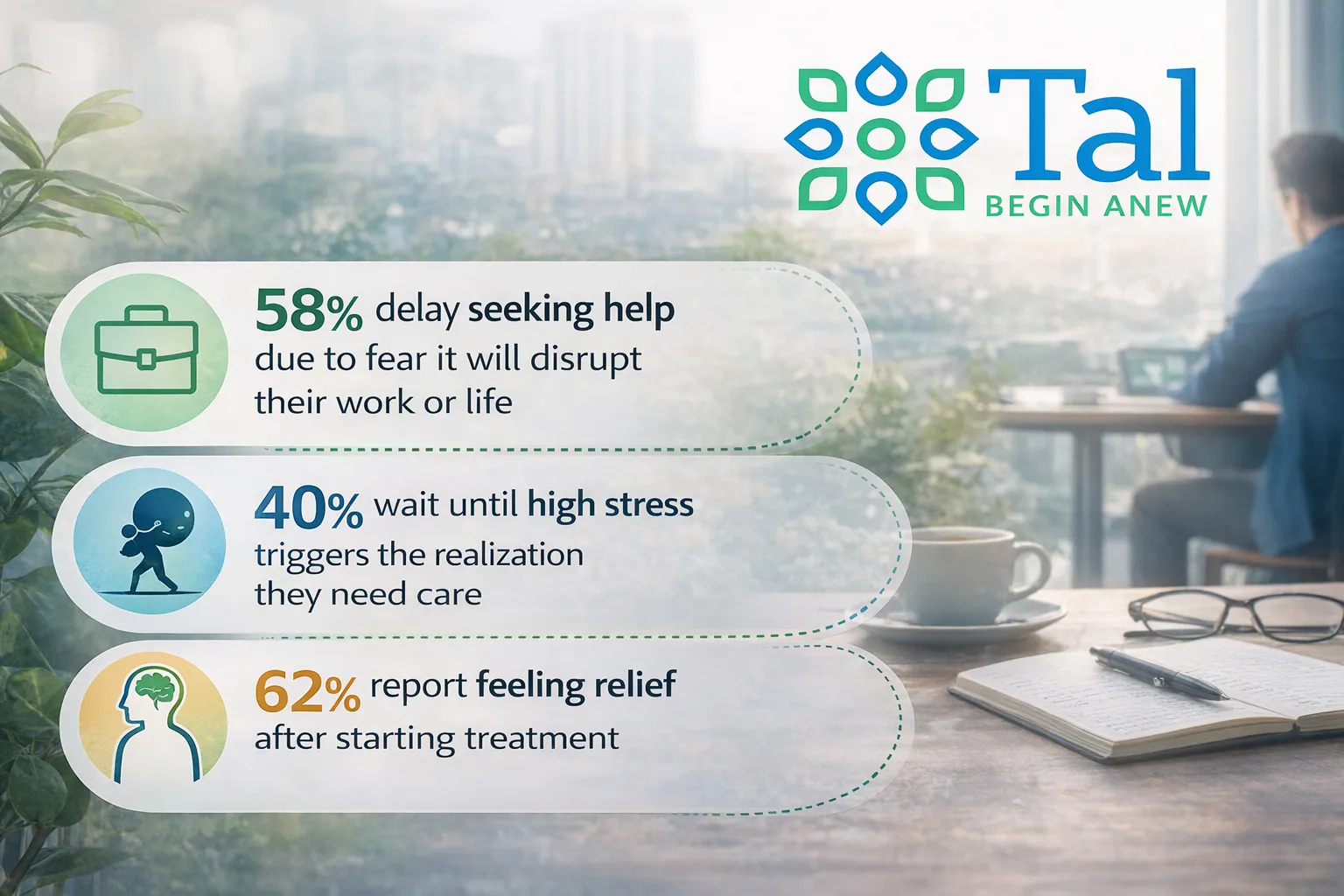
One of the biggest fears high-functioning people carry is that getting help will dismantle their life.
They worry about stepping away from work.
They worry about losing control.
They worry about being judged.
But support doesn’t always require leaving everything behind.
Many people explore options that allow them to continue working and maintaining their responsibilities while receiving care.
Flexible treatment options often exist precisely for people who are balancing professional and personal commitments.
If you’re exploring support nearby, many individuals begin by seeking behavioral health care in Stark or structured addiction recovery support in Mahoning where treatment fits alongside everyday life.
That balance can make the first step feel far less overwhelming.
What People Often Discover After Reaching Out
One of the most surprising things people report after seeking support is relief.
Not because every problem disappears overnight.
But because the pressure of hiding finally lifts.
The constant mental math—Am I drinking too much? Am I still in control? Can anyone tell?—begins to fade.
Instead of managing everything alone, people begin to build healthier ways of dealing with stress.
Sleep improves.
Energy returns.
Relationships start to feel more genuine.
And slowly, life becomes less about surviving the day and more about actually living it.
The Truth That Replaces the Lie
The lie says:
I’m still functioning, so everything must be fine.
The truth sounds different.
I’m functioning… but I’m exhausted.
That realization doesn’t mean you’re weak.
It means you’re paying attention.
And paying attention is often the first step toward building a life that feels sustainable again.
Because functioning shouldn’t be the goal.
Feeling present, balanced, and at peace should be.
Frequently Asked Questions
Can someone be successful and still struggle with addiction?
Yes. Many people maintain careers, families, and responsibilities while quietly struggling with substance use. High-functioning addiction often hides behind productivity and outward success.
Why do high-functioning people delay seeking help?
Many high-functioning individuals believe they should be able to solve problems on their own. Their success can make it harder to admit when something feels out of control.
Do people need to hit rock bottom before getting help?
No. Many people seek support long before major consequences occur. In fact, addressing concerns early often leads to better long-term outcomes.
What are signs someone might be struggling even if life looks stable?
Signs can include increasing reliance on alcohol or substances to manage stress, sleep difficulties, emotional exhaustion, or feeling like life requires constant effort just to maintain balance.
Will seeking help disrupt work or family life?
Many treatment options are designed to work around professional and personal responsibilities. People can often continue their daily routines while receiving support.
How do people start the process of getting help?
The first step is often a simple conversation with a counselor or treatment provider. That conversation helps explore options and determine what level of support might be helpful.
Is it normal to feel nervous about asking for help?
Yes. Many people feel uncertain or anxious before reaching out. That hesitation is common, especially for individuals who are used to managing everything independently.
Sometimes Strength Looks Different Than You Expect
For a long time, strength might have meant pushing through stress without asking for help.
Holding everything together.
Keeping the outside world running smoothly.
But real strength sometimes looks different.
Sometimes it looks like honesty.
Admitting something isn’t working anymore.
Recognizing that life could feel lighter.
Allowing someone else to walk beside you for a while.
If you’ve been quietly carrying that pressure, you don’t have to keep doing it alone.
Call 216-480-4860 to learn more about our Intensive Outpatient Program in Cleveland, Ohio.
Sometimes the strongest thing a high-functioning person can do is stop pretending everything is fine—and finally reach for support.